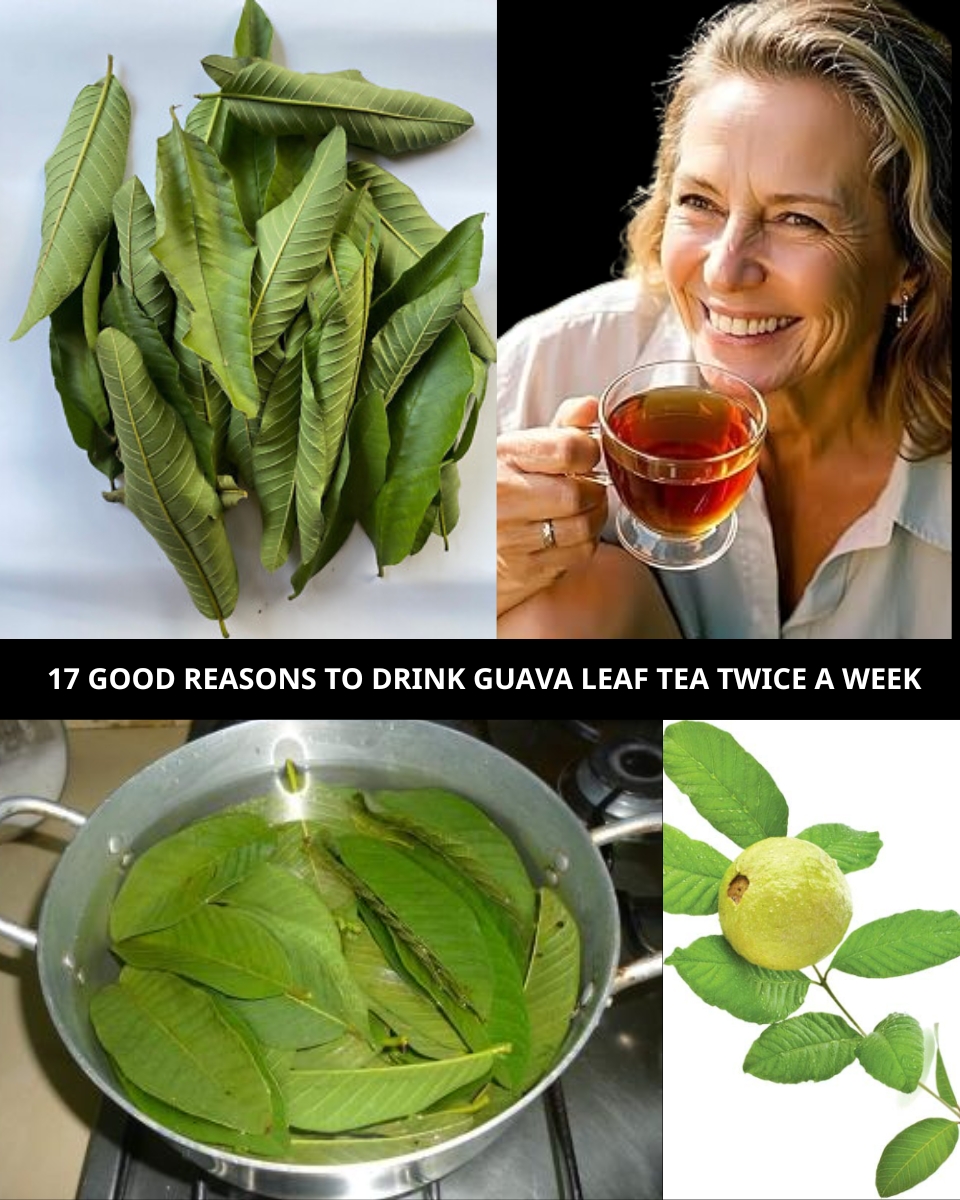
Guava Leaves: A Quiet Herbal Treasure 
When people think of guava, the fruit usually gets all the attention. Yet in many traditional wellness cultures across Asia, Africa, and Latin America, the leaves of the guava tree have long been valued for their natural properties.
Guava leaf tea has been enjoyed for generations as a simple, plant-based drink rich in antioxidants, soothing compounds, and beneficial phytonutrients. Today, it is gaining renewed interest worldwide as people look for gentle, natural ways to support everyday well-being.
If you’ve never tried it, here are 17 thoughtful reasons why drinking guava leaf tea twice a week may become a comforting and supportive habit.
 1. Supports Balanced Blood Sugar Levels
Guava leaves have traditionally been used to help slow sugar absorption after meals, supporting more stable energy levels.
 2. Helps Maintain Heart Wellness
Naturally rich in antioxidants and plant compounds, guava leaf tea may support healthy circulation and cholesterol balance as part of a heart-conscious lifestyle.
 3. Encourages Healthy Weight Management
Guava leaves are traditionally associated with supporting digestion and metabolism, which may help the body manage nutrients more efficiently.
 4. Soothes Digestive Discomfort
From occasional bloating to digestive unease, guava leaf tea has been widely used for its calming and balancing effect on the digestive system.
 5. Provides Comfort During Menstrual Cycles
Its naturally soothing properties are often appreciated during times of physical tension or monthly discomfort.
 6. Supports Natural Immune Defenses
Guava leaves contain vitamin C and flavonoids that help the body maintain its natural defense system.
7. Gently Supports Liver Function
Drinking guava leaf tea in moderation is traditionally linked to supporting the body’s natural detox pathways.
 8. Supports Respiratory Comfort
In traditional use, guava leaf tea has been enjoyed to help soothe the throat and support comfortable breathing.
 9. Promotes Oral Hygiene
Thanks to its antibacterial properties, guava leaf tea is sometimes used as a natural mouth rinse for fresh breath and gum comfort.
 10. Encourages Relaxation and Calm
A warm cup of guava leaf tea may help ease mental tension and promote a sense of relaxation after a long day.
 11. Supports Healthy Circulation
Guava leaves are traditionally associated with supporting smooth blood flow and vessel flexibility.
 12. Nourishes Skin from Within
Antioxidants in guava leaves help protect the skin from environmental stress, supporting a clearer and more balanced appearance.
 13. Supports Joint and Bone Comfort
Their natural anti-inflammatory compounds may help support long-term joint and mobility comfort.
 14. Helps the Body Defend Against Bacteria
Guava leaves are known in traditional practices for their natural antimicrobial qualities.
 15. Promotes Restful Sleep
Enjoying guava leaf tea in the evening may help calm the nervous system and encourage deeper, more restful sleep.
 16. Acts as a Gentle Natural Cleanser
Drinking the tea twice a week may help the body gently eliminate waste through the digestive and urinary systems.
17. Supports Cellular Protection
Thanks to its antioxidant content, guava leaf tea helps neutralize oxidative stress, a factor linked to aging and chronic imbalance.
 How to Prepare Guava Leaf Tea
Ingredients
-
A handful of fresh or dried guava leaves
-
3 cups of water
Preparation
-
Wash the leaves thoroughly
-
Bring water to a boil
-
Add guava leaves and simmer for 10–15 minutes
-
Strain and enjoy warm
Optional: Add a little honey or lemon for taste.
 How Often Should You Drink It?
-
Twice a week is ideal for general wellness
-
For specific needs, frequency may vary — always listen to your body and seek professional advice when needed
 Final Thoughts
Guava leaf tea is one of the most underrated herbal drinks in traditional wellness. From digestion and relaxation to skin and immune support, its gentle benefits touch many areas of daily life.
You don’t need to overdo it.
Start with two cups a week, enjoy the ritual, and let consistency do the work.
Small habits, practiced gently, often lead to lasting well-being.