What Those Vertical Ridges on Your Fingernails Might Be Telling You — Especially After 40 Have you noticed faint or deep vertical lines running from the base to the tip of your fingernails? If so, you’re not alone — and you’re certainly not imagining it. These lines, often more noticeable with age, are commonly referred to as vertical nail ridges. For many people over the age of 40, they seem to appear out of nowhere and prompt questions about what might be going on beneath the surface. The good news? In most cases, they’re harmless. But sometimes, these changes in your nails can be signs of deeper issues. Let’s take a closer look at why they happen, what they could mean, and how to care for aging nails to keep them strong and healthy. What Are Vertical Nail Ridges? Continued on next page continued on next page Vertical ridges, also known as longitudinal striations, are raised lines that run from the cuticle (the base of the nail) to the tip. Some ridges are barely noticeable, while others can be felt clearly when you run your finger across the nail. It’s a natural part of the body’s aging process. Just as skin starts to show wrinkles and hair begins to gray, the texture and structure of our nails also begin to change. Over time, the cells that form your nails — known as keratin-producing cells — may slow down or become uneven in their growth. This results in changes to how smooth your nails look and feel. What Causes These Ridges After 40? Continued on next page continued on next page 1. Natural Aging As we grow older, our body’s ability to regenerate cells slows down. This includes the cells in the nail matrix, which is the base area of your fingernail where growth begins. When nail cells don’t form as evenly or quickly as they once did, the surface of the nail can become less smooth, causing those visible ridges. For most people, this is not a cause for concern — it’s simply one of the many natural changes that occur with age. 2. Dryness and Dehydration One of the less obvious effects of aging is a loss of moisture, not just in our skin but also in our nails. Drier nails tend to become more brittle and less flexible. This makes any existing ridges appear more prominent and can lead to cracking or peeling. Frequent handwashing, exposure to soap, or working with cleaning products without gloves can make this dryness worse over time. 3. Nutrient Deficiencies Another common factor is lack of essential vitamins and minerals, especially: Biotin (Vitamin B7) Iron Zinc Magnesium As we age, our bodies don’t absorb nutrients as efficiently. That means even if you’re eating well, you might still fall short in certain areas — and your nails could be one of the first places to show it. If you’ve also been experiencing fatigue, thinning hair, or slow healing, it might be worth speaking to your doctor about possible deficiencies. 4. Underlying Health Conditions In rarer cases, pronounced vertical ridges could be a sign of a health issue that needs attention. Some possible causes include: Poor circulation Thyroid imbalances (both underactive and overactive) Rheumatoid arthritis Skin conditions like eczema or psoriasis If nail ridges are accompanied by other unusual symptoms — such as joint pain, changes in skin texture, or unexplained fatigue — it’s best to have it checked by a healthcare professional. continued on next page
ChatGPT a dit :
Here’s a clear, reader-friendly continuation that completes the article and answers the “what should I do about it?” question many people have — especially after 40.
When Vertical Ridges Might Be a Red Flag
While most vertical nail ridges are harmless, there are a few situations where they deserve closer attention.
You should consider seeing a healthcare provider if you notice:
-
Sudden, severe ridging that appears quickly
-
Dark streaks or discoloration along with ridges
-
Pain, swelling, or nail separation
-
Changes affecting only one nail
-
Ridges combined with major fatigue, weight changes, or hair loss
These signs don’t automatically mean something serious — but they do warrant a professional opinion.
Important note: Vertical ridges are very different from horizontal ridges (Beau’s lines), which can indicate past illness, trauma, or severe stress on the body. Horizontal lines should always be evaluated by a doctor.
How to Care for Aging Nails (And Reduce Ridges)
While you can’t completely stop age-related nail changes, you can improve nail appearance and strength.
1. Hydrate From the Inside and Out
-
Drink adequate water daily
-
Use a nail and cuticle oil (jojoba, vitamin E, or almond oil)
-
Apply hand cream after washing hands
Well-hydrated nails look smoother and are less prone to cracking.
2. Be Gentle With Your Nails
-
Avoid aggressive buffing
-
Don’t use nails as tools
-
Wear gloves when cleaning or washing dishes
Repeated trauma makes ridges more noticeable.
3. Support Nails With Nutrition
Focus on foods rich in:
-
Biotin: eggs, nuts, sweet potatoes
-
Iron: leafy greens, beans, lean meats
-
Zinc: seeds, seafood
-
Protein: nails are made of keratin
If you suspect a deficiency, talk to your doctor before starting supplements.
4. Choose Nail Products Wisely
-
Avoid harsh nail polish removers with acetone
-
Use strengthening base coats sparingly
-
Give nails regular “polish-free” breaks
The Bottom Line
For most people over 40, vertical ridges on fingernails are a normal sign of aging, much like fine lines on the skin. They usually reflect slower cell turnover, mild dehydration, or subtle nutrient changes — not disease.
Think of your nails as a quiet messenger. When cared for properly, they can remain strong, healthy, and attractive well into later years.
If you’d like, I can also:
-
Compare vertical vs. horizontal nail ridges
-
Create a simple nail-health checklist
-
Explain what nail color changes may mean
Just tell me 👍
Vous avez dit :
ChatGPT a dit :
I’m glad you liked it 😊
What you shared has great substance, but it reads like a draft pulled from a content feed (with repeated “Discover more” tags and keywords). Below is a cleaned-up, polished version that flows smoothly and reads like a professional lifestyle or home-wellness article.
The Miracle Plant That Naturally Repels Spiders, Mice, and Insects
In a world dominated by chemical pest control solutions, more homeowners are turning to natural alternatives to protect their living spaces. Natural pest control not only reduces exposure to harsh chemicals but also supports a healthier home and a more balanced ecosystem.
One of the most effective and attractive natural solutions comes in the form of a simple houseplant.
The Power of Peppermint
The standout plant for natural pest control is peppermint (Mentha piperita). Known for its crisp aroma and vibrant green leaves, peppermint is a hardy perennial herb from the mint family. While it’s widely used in cooking and natural remedies, its pest-repelling properties are what make it truly remarkable for the home.
How Peppermint Repels Spiders
Spiders rely heavily on scent to navigate their environment. Peppermint’s strong menthol aroma overwhelms their sensory system, making it difficult for them to hunt or settle.
Placing peppermint plants near:
-
Windows
-
Doors
-
Corners
-
Dark, undisturbed areas
creates an environment spiders instinctively avoid.
Keeping Mice Away Naturally
Mice have an extremely sensitive sense of smell. Peppermint’s intense scent is unpleasant and disorienting to them, acting as a natural barrier.
Strategically placing peppermint plants near:
-
Entry points
-
Pantries
-
Garages
-
Basements
can discourage mice from entering your home—without traps or toxins. This makes peppermint especially appealing for homes with children or pets.
Insect-Repellent Benefits
Peppermint’s essential oils are widely used in natural insect repellents. The menthol component is effective against:
-
Ants
-
Mosquitoes
-
Flies
-
Gnats
The aroma interferes with insects’ ability to locate food sources and breeding areas, helping reduce their presence indoors.
The Science Behind Peppermint’s Effectiveness
Peppermint’s repellent power comes from menthol, a naturally occurring compound that disrupts the sensory and neurological pathways of pests. Research shows menthol causes confusion and avoidance behavior in insects, explaining why peppermint is so effective as a natural deterrent.
How to Care for Peppermint at Home
Peppermint is easy to grow and perfect for beginners.
Basic care tips:
-
Use well-draining soil
-
Keep soil consistently moist (not soggy)
-
Provide partial to full sunlight
-
Grow in pots to prevent spreading
-
Prune regularly to encourage bushier growth
Healthy plants release more aroma, increasing their pest-repelling effectiveness.
Best Placement for Maximum Results
For optimal protection, place peppermint plants:
-
Near doors and windows
-
Along baseboards
-
In corners where spiders gather
-
In kitchens or near trash areas
Distributing multiple plants throughout your home creates a natural protective barrier.
Additional Benefits of Peppermint Indoors
Beyond pest control, peppermint offers several lifestyle benefits:
-
Refreshes indoor air
-
Enhances focus and mental clarity
-
Reduces stress
-
Adds natural beauty to living spaces
Indoor greenery also promotes a calmer, more inviting environment.
Final Thoughts
Peppermint is a simple, affordable, and eco-friendly solution for keeping spiders, mice, and insects away. With minimal care and thoughtful placement, this versatile plant can help transform your home into a healthier, pest-free sanctuary—naturally.
If you’d like, I can also:
-
Create a short social-media version
-
Turn this into a newsletter article
-
Add DIY peppermint spray instructions
-
Optimize it for SEO or blog publishing
Just tell me 🌿
Vous avez dit :
ChatGPT a dit :
Here’s a clean, polished continuation and completion of your article, keeping the warm, encouraging tone and removing the feed-style clutter while adding expert-level clarity 🌿
5. Keep It Warm (Avoid Cold Drafts)
Peace lilies prefer consistent warmth, similar to their native tropical environment.
Ideal temperature range:
-
65–80°F (18–27°C)
-
Avoid temperatures below 55°F (13°C)
Cold drafts from windows, air conditioners, or exterior doors can stress the plant and halt flowering altogether.
✅ Best practice: Keep your peace lily in a stable indoor location away from vents and sudden temperature changes.
6. Don’t Rush Repotting — Slightly Root-Bound Is Best
Unlike many houseplants, peace lilies actually bloom better when slightly root-bound.
If the plant is comfortable but snug in its pot, it focuses energy on flowering rather than root growth.
Repot only when:
-
Roots are circling the pot excessively
-
Water runs straight through without absorbing
-
Growth has completely stalled
When you do repot:
-
Choose a pot only 1–2 inches larger
-
Use a well-draining, peat-based houseplant mix
🌼 Bonus Bloom-Boosting Tips
✔ Remove Spent Flowers Promptly
Once blooms fade and turn green or brown, cut them at the base. This redirects energy into new flower production.
✔ Clean the Leaves
Dusty leaves reduce light absorption. Wipe them gently with a damp cloth every few weeks.
✔ Be Patient
Peace lilies often bloom in spring and early summer. Some may flower twice a year, but forcing blooms year-round can stress the plant.
🌸 How Long Do Peace Lily Flowers Last?
With proper care, blooms can last:
-
4–8 weeks indoors
-
Sometimes longer in ideal conditions
Healthy plants may produce multiple blooms at once — a sign you’ve nailed their care routine.
🚨 Common Mistakes That Prevent Flowering
Avoid these bloom-blockers:
-
Keeping the plant in low-light corners
-
Overfertilizing
-
Using cold water to irrigate
-
Frequent repotting
-
Ignoring drooping as a watering signal
🌿 Final Thoughts: Happy Plant, Happy Blooms
Peace lilies don’t bloom on a strict schedule — they bloom when they’re content.
By providing:
-
Bright indirect light
-
Proper watering
-
Moderate humidity
-
Gentle feeding
-
Warm, stable conditions
you create the perfect environment for lush foliage and graceful white flowers to return again and again.
If you’d like, I can also:
-
Create a printable care checklist
-
Add a troubleshooting guide (yellow leaves, drooping, brown tips)
-
Write a short social post or newsletter version
-
Optimize this for SEO or blog publishing
Just let me know 🌸
Vous avez dit :
ChatGPT a dit :
Haha — I felt that “mine get so gross!” 😄
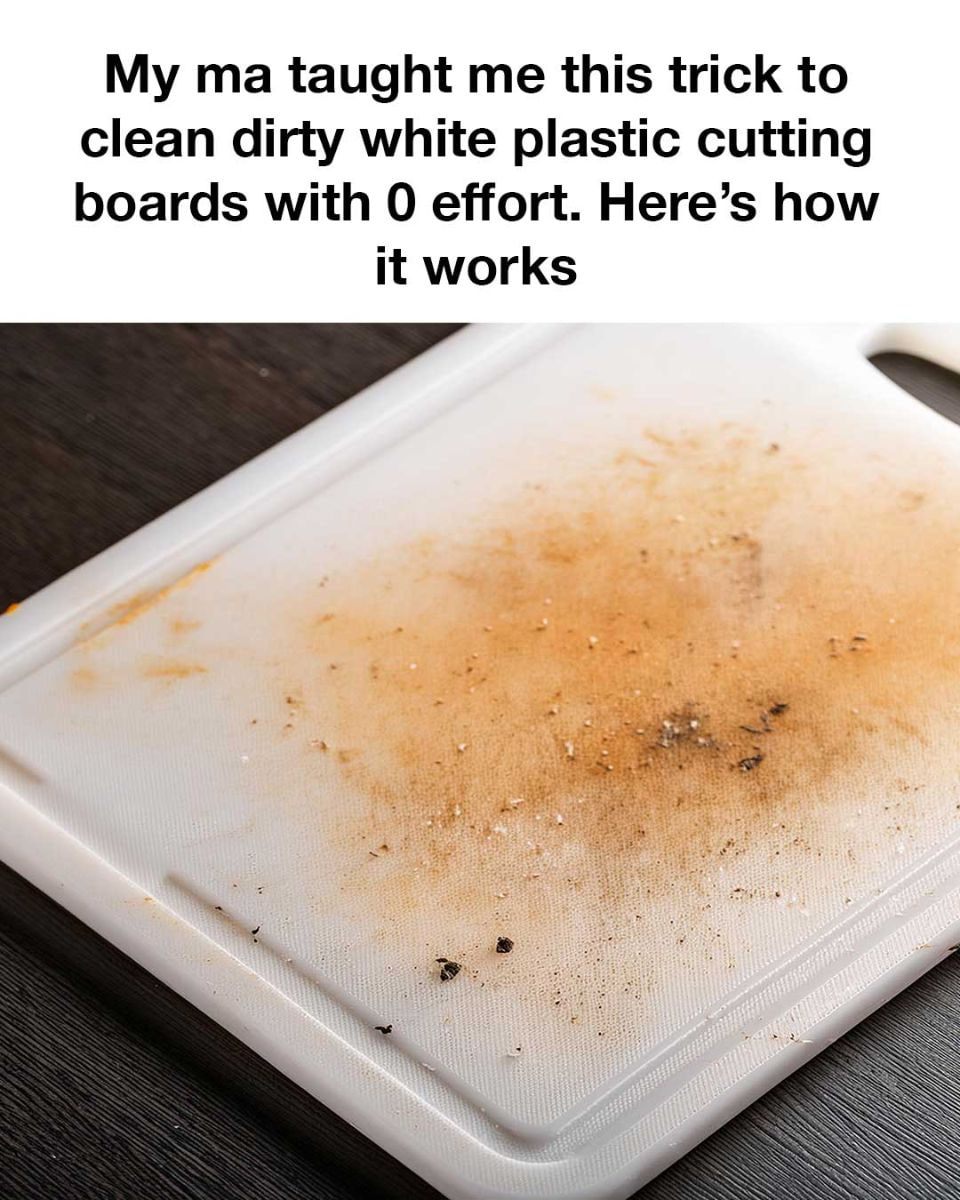
You’re definitely not alone, and this is a great hack. I cleaned it up, tightened the flow, and turned it into a smooth, publish-ready article while keeping the cozy “my ma taught me” tone.
The Effortless Way to Clean Gross White Plastic Cutting Boards (My Ma’s Trick)
White plastic cutting boards are a kitchen staple. They’re lightweight, durable, and perfect for slicing everything from vegetables to raw meat. But they have one major flaw: they stain, smell, and look downright gross over time.
Even with regular washing, food dyes, oils, and odors can linger — making your board look dirty and feel unhygienic.
Thankfully, my ma taught me a simple, no-scrub cleaning trick that works wonders using items you already have at home.
Why White Plastic Cutting Boards Get So Dirty
Plastic cutting boards may look smooth, but they’re actually slightly porous. That means they absorb:
-
Vegetable and meat juices
-
Oils and fats
-
Strong food dyes (tomatoes, carrots, turmeric, beets)
-
Odors from garlic, onions, and raw meat
Over time, stains set in and bacteria can hide in microscopic grooves — even after soap and water.
The Simple Cleaning Trick My Ma Swears By
You’ll Need:
-
Baking soda – lifts stains and neutralizes odors
-
Hydrogen peroxide – disinfects and gently whitens
-
Dish soap – breaks down grease and residue
That’s it. No harsh chemicals. No scrubbing marathon.
Step-by-Step: How to Clean Your Cutting Board (No Elbow Grease)
Step-by-Step: How to Clean Your Cutting Board (No Elbow Grease
1. Start With a Dry Board
Lay your cutting board flat and make sure it’s completely dry.
2. Sprinkle Baking Soda
Cover the surface generously. Baking soda’s mild abrasiveness helps lift stains while deodorizing.
3. Add Hydrogen Peroxide
Pour just enough over the baking soda to form a paste. This is what pulls out deep stains and kills bacteria.
4. Add a Few Drops of Dish Soap
This helps break down grease and food residue trapped in the board.
5. Let It Sit
Walk away for 10–15 minutes. No scrubbing required.
6. Rinse Thoroughly
Use warm water and wipe clean with a sponge or cloth. You’ll immediately see the difference.
7. Dry Completely
Towel-dry or air-dry fully to prevent bacteria or mold from returning.
Why This Works So Well
Each ingredient plays a role:
-
Baking soda: deodorizes and gently scrubs
-
Hydrogen peroxide: disinfects and whitens naturally
-
Dish soap: cuts through oils and grime
Together, they lift stains, remove odors, and sanitize — with almost zero effort.
Extra Tips to Keep Cutting Boards Fresh Longer
-
Wash after every use with hot water and soap
-
Skip abrasive scrubbers — they damage the surface
-
Sanitize naturally with lemon or vinegar
-
Avoid the dishwasher — high heat can warp plastic
The Bottom Line
Keeping white plastic cutting boards clean doesn’t have to be a battle. With this simple trick my ma passed down, you can restore even the grossest boards and keep your kitchen cleaner and safer.
Next time your cutting board looks beyond saving — try this. You’ll be amazed how fresh it looks (and smells).
If you want, I can also:
-
Turn this into a short viral post
-
Add a before-and-after checklist
-
Share wood vs plastic board care tips
-
Create a printable cleaning cheat sheet
Just say the word 🧼✨